- Rock Chasing
- Posts
- 10/17/24
10/17/24
In partnership with

Hello rockhound,
We’ve got some incredible photos and great info for you this week. Come hang out with your fellow rockhounds!
This week we cover
An 18-ton piece of gem-quality jade
Incredible GREEN petrified wood finds
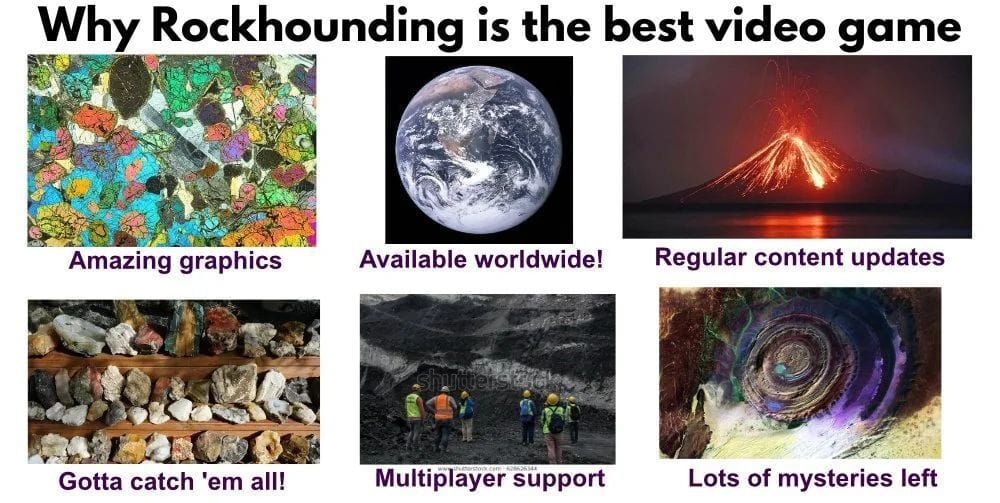
Why rockhounding is the best video game
Something CHUNKY we all want in our life
Much more!
Happy rockhounding!
The Rock Chasing Team
A little sparkle to start
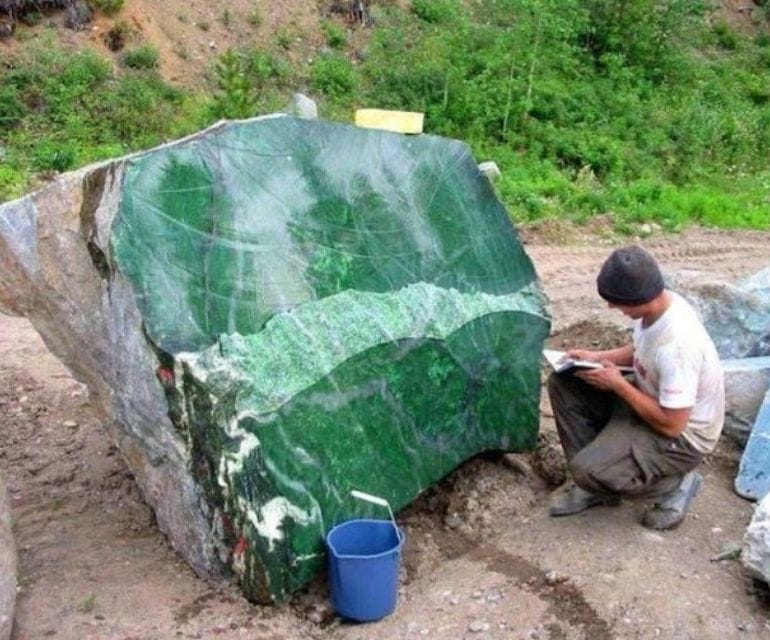
This massive 18-ton jade boulder was discovered in Canada, named the Polar Pride 🌿. Half of this gem-quality nephrite boulder was sold to a monastery, where it was carved into a 9-foot jade Buddha.
Nephrite jade is known for its beautiful green color but can also be found in yellow, white, or black. This type of jade belongs to the amphibole group of minerals, making it one of the two main types of jade.
The second type of jade is jadeite, which can range from white to vibrant shades of green, lavender, and even blue. While both nephrite and jadeite are treasured, their mineral composition sets them apart as distinct gemstones.
Looking for unbiased, fact-based news? Join 1440 today.

Upgrade your news intake with 1440! Dive into a daily newsletter trusted by millions for its comprehensive, 5-minute snapshot of the world's happenings. We navigate through over 100 sources to bring you fact-based news on politics, business, and culture—minus the bias and absolutely free.
Other people won’t understand….
Find of the week
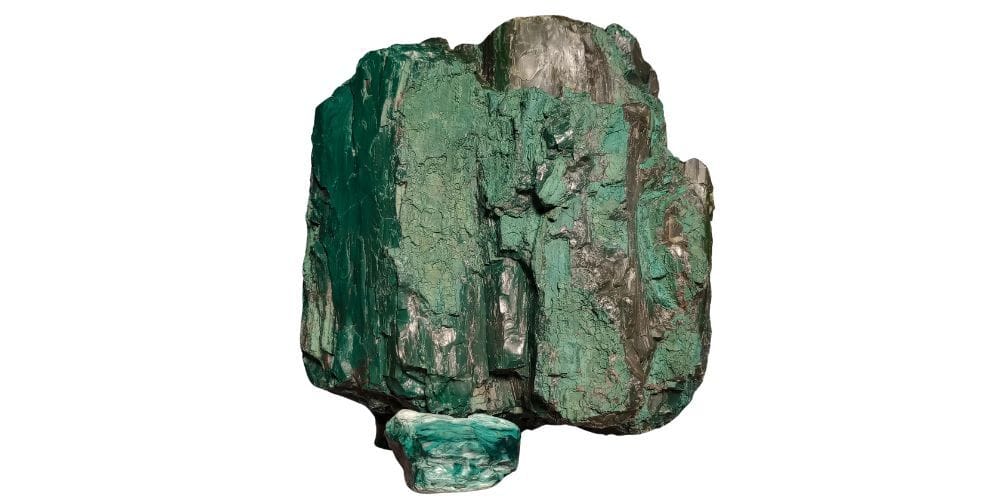
This week we have a really interesting Petrified Wood find from a fellow rockhound in Oregon. Look at that green color!
Petrified wood forms when plant material, usually trees, is buried by sediment and protected from decay due to lack of oxygen. Over millions of years, minerals like quartz replace the organic material, turning the wood into stone while keeping its original structure. Petrified wood can come in many colors, depending on the minerals involved.
When chromium is present, it gives the petrified wood a striking green color. Chromium is a metal that can mix with minerals in groundwater. As these minerals seep into the buried wood, chromium becomes part of the fossilization process. The result is a green hue, adding to the visual appeal of the petrified wood.
This vibrant color is rare and makes pieces with chromium inclusions highly valued by collectors. These fossils offer both a scientific look at ancient ecosystems and natural beauty.
Really cool!
Send me photos of your rocks and minerals!
I want to see what you’re finding and adding to your collection! Send me photos of the rocks and minerals that you’re discovering in your rockhounding journey or bought and added to your collection so I can share it with the community.
Send your best photos and descriptions to [email protected] or just reply to this email!
Geology Highlights

These cave pearls found in Carlsbad Cavern, New Mexico, are small, round formations that develop in limestone caves 🌿. Their polished, shiny surface is created by the movement of water over time, which keeps them from sticking to one another.
Cave pearls begin when a small particle, like a grain of sand, gets coated with layers of calcite. Water movement in the cave helps the pearl take on a smooth, spherical shape as it rotates gently.
The pearls found in Carlsbad Cavern can vary in size and shape, sometimes reaching impressive sizes of up to 8 inches. The Rookery, a famous part of the cavern, contains so many pearls that they were once given out as souvenirs!

Earth Enigmas
Each week we ask a fun trivia question here. We’ll share the answers and the community responses for everyone to read next week. Show off your rockhounding chops!
Last week we asked:
Turquoise gets its distinctive blue-green color from which element?
and you answered:

Great job! Turquoise gets its distinctive blue-green color from the presence of copper and iron in its mineral composition. Copper is responsible for the blue tones, while iron contributes to the green shades.
Turquoise forms over time in areas rich in copper, where water carrying minerals slowly reacts with rocks. The balance between copper and iron in the environment determines the exact shade of turquoise, ranging from bright sky-blue to soft green.
Here is this week’s question:
What is the most commonly found color of quartz? |
Geology highlights
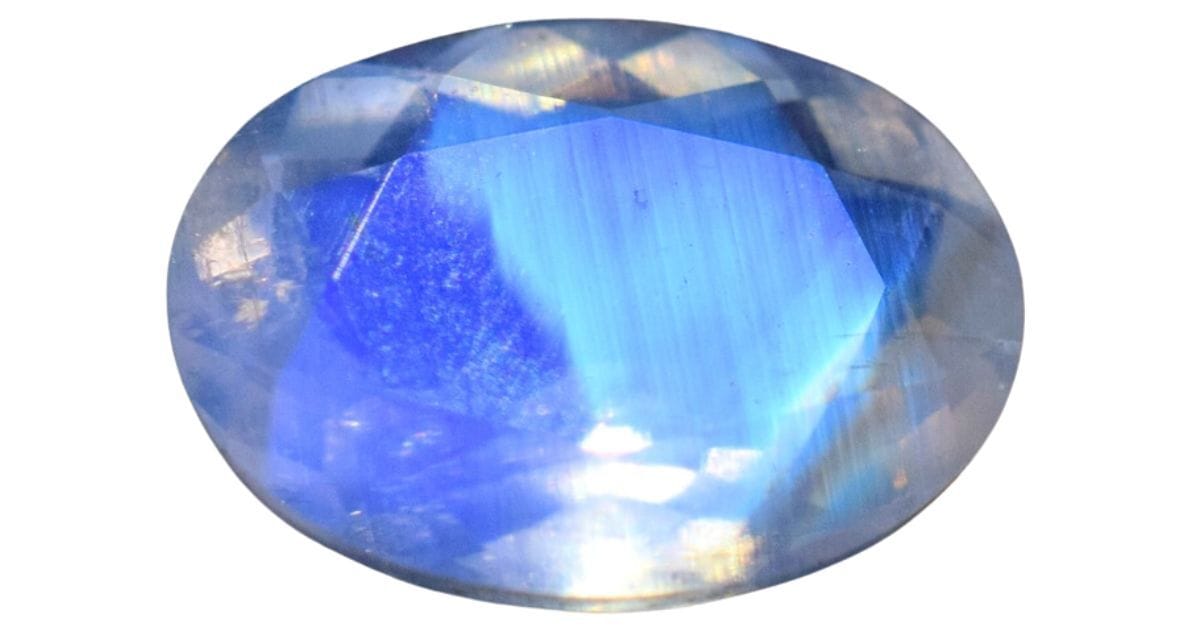
Feldspar is one of the most common minerals found in the Earth’s crust, and it forms some really fascinating varieties.
Amazonite, orthoclase, and microcline are great examples of the types of feldspar, each with their own unique appeal and characteristics.
Check them all out here!
Rockhounding
Look at that CHUNKY boy! Finding crystals of that size is a dream come true!
Geology Highlights
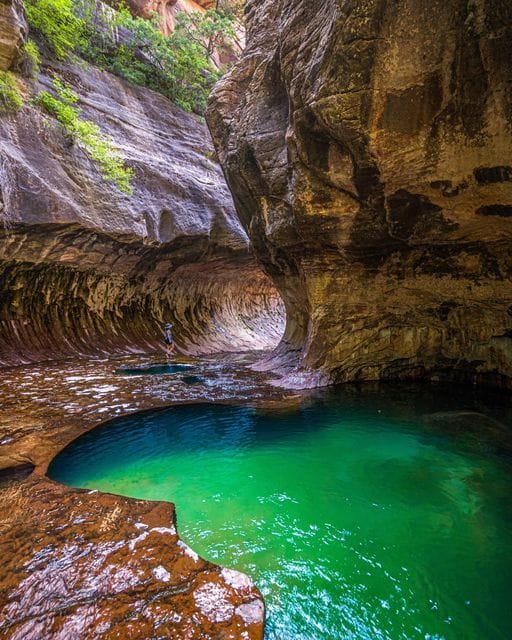
The Subway is a unique, tube-shaped slot canyon located in Zion National Park, Utah 🌄. Access to this natural wonder is limited by the National Park Service through a permit system, ensuring its preservation.
Flowing through The Subway is the Left Fork of North Creek, which sits between the North and South Guardian Angel peaks. The canyon’s undercut walls give it the look of an underground tunnel, making its name quite fitting.
Slot canyons like The Subway are narrow channels formed by water erosion, with steep rock walls that create stunning natural formations. These canyons, typically found in the southwestern U.S., are often subject to flash flooding, which helps shape their unique landscapes 🌧️.
Geology highlights

Often referred to as “Fool’s Gold,” pyrite’s striking golden color and glittering appearance make it an intriguing find. In its natural habitat, it can be mistaken for actual gold due to its gleaming appearance.
But what makes it even more interesting is the thrill of the hunt and the challenge of identifying it. The first step to feeling this thrill is to know how to find pyrite.

Geology highlights
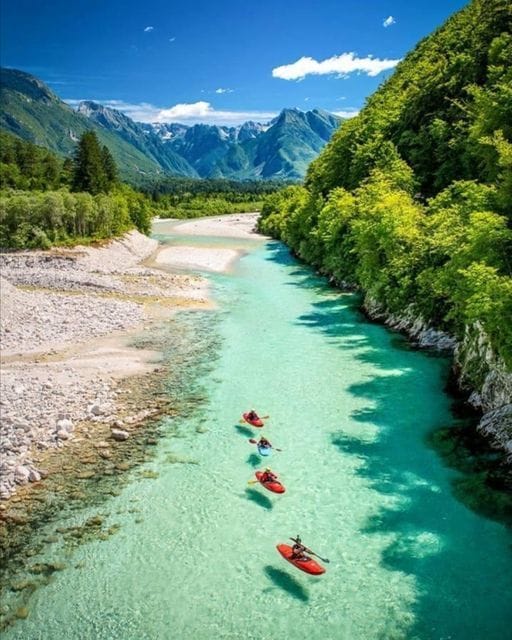
Triglav National Park is Slovenia’s only national park, located in the stunning Julian Alps 🌄. Mount Triglav stands tall at the center, with valleys stretching outward to nourish the Soča River.
The Soča River, seen in this photo, flows through the park and is one of its main water sources 🏞️. It’s fed by streams from the valleys that radiate from Mount Triglav.