- Rock Chasing
- Posts
- 🌳An incredible tree INSIDE of a REALLY old tree - 4/25/24
🌳An incredible tree INSIDE of a REALLY old tree - 4/25/24
Hello rockhound,
First I wanted to thank everyone for all of the email responses from last week. Apparently, I didn’t include A LOT of your favorite rocks and minerals in our poll.
My apologies for that!
I know it’s a really tough question to answer and my own favorite tends to change every time I find something new. Some additional popular favorites of yours that I didn’t include were:
Opals
Labradorite
Aqua slag
Blue chert
Pentagonite
Dioptase
Many more!
It’s really great to see such a rich and varied list of favorites from you all. What a diverse group!
This week we cover
An incredible quartz formation
The pants every rockhound wants
A new tree inside of a REALLY old tree
Finding incredible thundereggs
A breathtaking Chalcopyrite
Much more!
Happy rockhounding!
Keith
A little sparkle to start
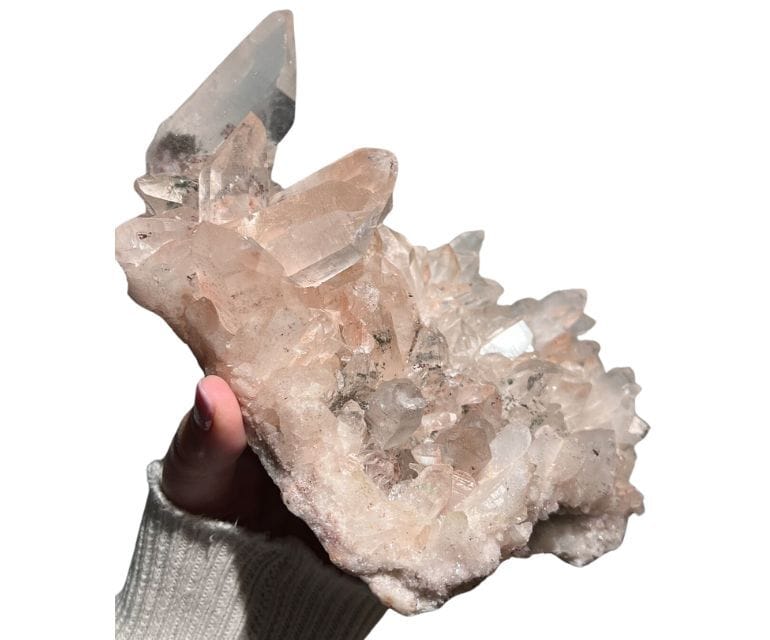
Pink Himalayan Samadhi Quartz - Photo Credit: Quartzetc
This is an incredible piece of high-altitude quartz from the Himalayan Mountain Ranges. Crystals like this are carried down the mountain by hand from elevations of over 14,000 feet!
This light blush-coloured Himalayan quartz is sometimes referred to as Samadhi quartz, and is prized for its unique delicate pink-to-coral-sunset color.
Whether the pink color is caused by subtle hematite inclusions or a combination of hematite inclusions is still up for debate, in addition to aluminum and phosphorus replacements in the silicon crystal lattice.
You can find out more about this find or add it to your collection here.
A Quick Recommendation
I do a lot of traveling and I’m always looking for new places to try, great places to stay, and how to get the most from my money wherever I am. I like to learn about new places (even though I don’t have the funds to travel as much as I would like) as well.
If that sounds like you as well I recommend signing up for the free Perfect Travel Only newsletter (link to subscribe below). They send out a few emails a week that I’ve enjoyed and found some great recommendations from.
Full disclosure, they are partnering with me to support this newsletter so I get a small commission if you sign up. I only recommend resources I have enjoyed myself and the newsletter is 100% free for you to enjoy as well.
If you’re interested or just want to support Rock Chasing, click on the “Subscribe” button below and check it out.
|

What is the most you have ever spent on a rock, mineral, or fossil?We've all spent more than we should to add to our collections. Let's talk about our BIGGEST purchases. I want to know the most you've ever spent on a single rock, mineral, or fossil. Don't be embarrassed! If anyone in the world will understand it's us! |
Other people won’t understand….
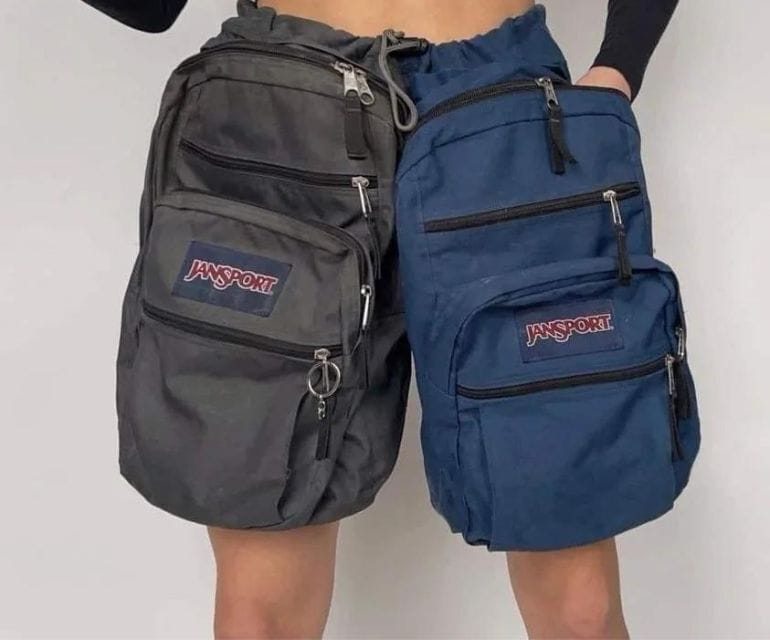
My newest rockhounding pants…
Find of the week

Petrified Wood
A tree… in a tree….
This isn’t a fragment of a Japanese painting, this is an incredible petrified wood find found in Arizona.
Petrified wood like this forms when trees fall and are buried by sediment, cutting off oxygen and slowing decay. Mineral-laden water flows through, replacing the organic material with minerals like silica, primarily quartz, over millions of years.
This process preserves the original structure of the wood, creating a fossil.
Sometimes, dendrites—tree-like patterns—form within petrified wood. These occur when manganese and iron oxides crystallize within the wood, branching out in intricate, fern-like patterns.
I always say that petrified wood is a work of art but this is another level!
Send me photos of your rocks and minerals!
I want to see what you’re finding and adding to your collection! Send me photos of the rocks and minerals that you’re discovering in your rockhounding journey or bought and added to your collection so I can share it with the community.
Send your best photos and descriptions to [email protected] or just reply to this email!
Geology Highlights

Thunderegg
There are very few rock and mineral formations that rate as high on the “coolness” meter as a thunderegg. They look so boring and ordinary on the outside but once you cut it in half you find something truly incredible.
There are also quite a few places in the US where you can find them.
These beauties form inside layers of volcanic ash. They start as gas bubbles in the ash, and over millions of years, silica-rich fluids fill these bubbles, turning them into hard nodules.
Inside, thundereggs might have crystals like agate, jasper, or opal. From the outside, thundereggs look ordinary, but when cut open, they display beautiful patterns and colors.

Community Tips

Don’t forget a magnet
This week’s tip comes from Landon in Springfield, IL:
As a rockhound, I always bring a magnet along on my expeditions because it's an invaluable tool for identifying and collecting certain types of minerals.
Many rocks containing iron, like magnetite, will react to a magnet, which can be a thrilling discovery. This magnetic reaction immediately tells me there's something special about the rock I've found.
A magnet also helps distinguish between look-alikes; for example, it can help confirm whether a black rock is magnetite or just a basalt. Using a magnet makes exploring more efficient and ensures I don't overlook any potentially valuable or interesting magnetic minerals.
Landon
Every week one of our members shares a valuable tip or a big mistake they've made in their rockhounding journey. If you have a tip or mistake you'd like to share email us at [email protected] or just reply to this email!
Geology highlights
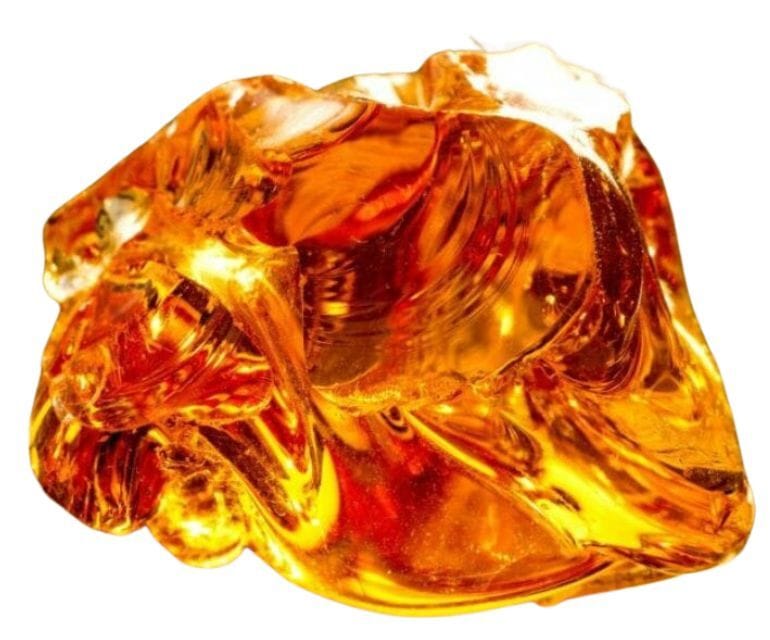
Orange isn’t the most popular color for most of us but there are still some truly incredible rocks and crystals out there of that shade. You probably can name a few but I doubt you will know all 18 of these!
Rockhounding

Continuing on our Thunderegg theme, this is a great video from Agate Dad as he cuts open 15 different thundereggs!
This is a great video to get a better idea of what. thundereggs look like on the outside before they are cut as well as the variety of formations inside.
It’s also a bit of a treasure hunt since you never know what they will look like inside until they are cut open.
Geology Highlights

Dead Sea Basin - Photo Credit: Marco et al. 2011. JSR
Have you seen swirls like this?
This incredible photo from the Dead Sea Basin is an incredible illustration of seismic slumping. Seismic slumping is a process where large blocks of earth or sediment move or slide downward due to earthquakes.
In the Dead Sea basin, this phenomenon is quite common due to the area's unique geological and environmental conditions. The Dead Sea basin lies along a major fault line called the Dead Sea Transform Fault. This fault is highly active, creating frequent seismic activity.
When earthquakes occur, the ground shakes and can become unstable. In areas around the Dead Sea, the soil and sediment are often saturated with water from the sea itself, which makes them heavier and more prone to movement under stress.
The Dead Sea is also drying up because the water that feeds it, mainly from the Jordan River, is being diverted for agricultural and other uses. This reduction in water level causes the surrounding land to lose support, making it even more susceptible to slumping during earthquakes.
Geology highlights

Chalcopyrite - Photo credit: Saphira Minerals
All I can say is WoW! Such an incredible display of Chalcopyrite and Quartz.
Chalcopyrite is a copper iron sulfide mineral, appearing in a bright, metallic golden-yellow color. It can look a lot like gold or pyrite at first glance.
It's primarily found in ore deposits associated with copper, where it often occurs with minerals like quartz, calcite, and pyrite. It forms in hydrothermal veins, which are channels of hot, mineral-rich water within rocks underground. As the water cools, the minerals crystallize and chalcopyrite can form.
It isn’t used for much on its own, other than to look pretty. Instead, it is melted down to extract the copper inside of it.

Geology Highlights
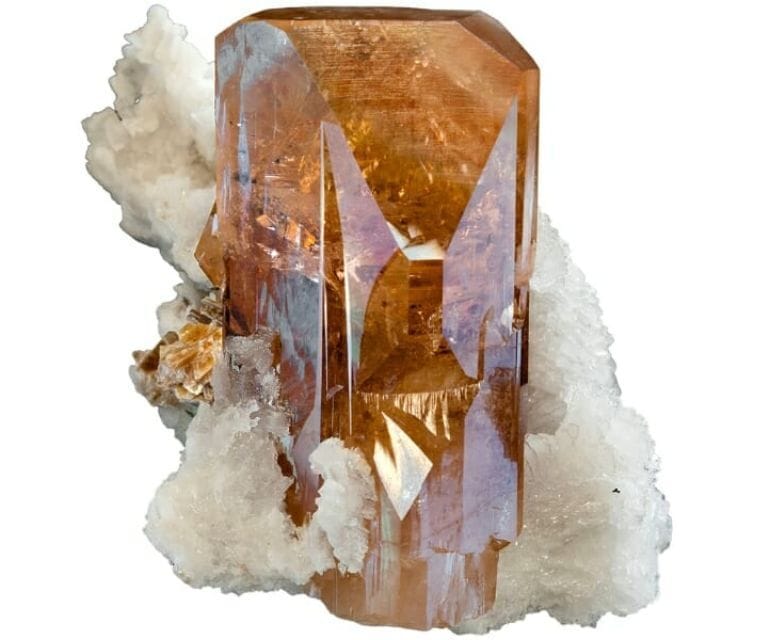
How experts tell if Topaz is real and spot the fakes (and so can you)
There is a lot of fake Topaz floating around, especially in the jewelry world. Fortunately, there are some easy ways to identify real topaz and spot fakes.
We’ll dive deep into the world of this gemstone— its unique properties, where it comes from, and why it’s so valued. But most importantly, we’ll share with you practical tips to identify a genuine topaz.