- Rock Chasing
- Posts
- You should be afraid of your own shadow!
You should be afraid of your own shadow!
Hello rockhound,
It’s been raining day after day here so getting outside has been a challenge. Hopefully, the weather has been kinder with you!
Based on the emails I’ve been getting from you all I’m not alone!
This week we cover
My favorite hobby to combine with rockhounding
Some “exotic” striped calcite
Finding gold in different rocks and minerals
Why you should be afraid of your own shadow
An incredible “wave”
Much more!
Happy rockhounding!
Keith
A little sparkle to start

Vanadinite cluster
This is an incredible example of Vanadinite. This is a unique and colorful mineral that often appears in shades of red to orange-red.
It forms in dry, desert-like areas when vanadium-rich water flows through rocks containing lead. This mineral typically grows in hexagonal-shaped crystals (like in the picture above) and is found alongside other lead minerals like cerussite and wulfenite.
It’s one of the more unique minerals out there and really fun to see.
A Quick Recommendation
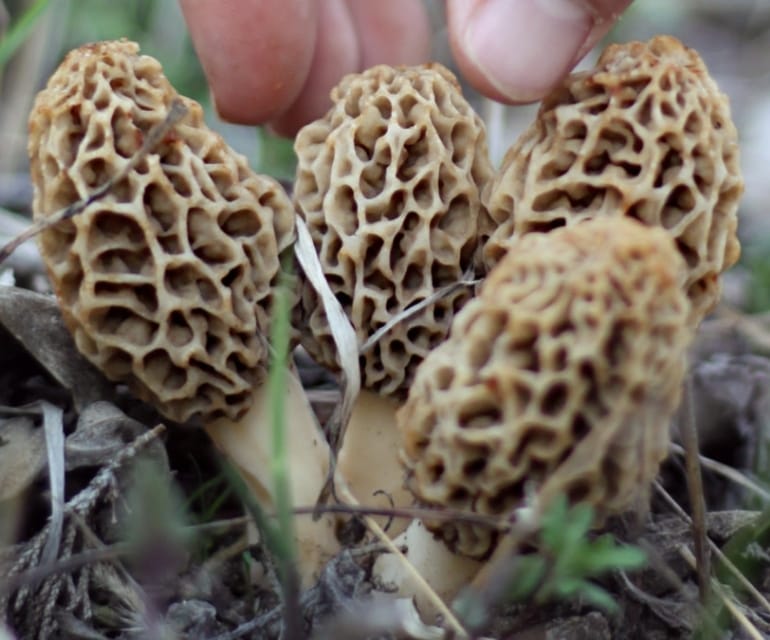
One of the things I’ve incorporated into my rockhounding that has made it even more fun is foraging for mushrooms while hunting for rocks. It’s hard to beat finding some beautiful rocks AND a tasty dinner at the same time.
Now is a great time of year to hunt with all the rain so keep your eyes peeled for tasty shrooms!
Before you eat anything I would recommend doing your research. You can check out the Shroomer newsletter here (or below) to get started. They have some great tips on where to look and how to ensure you are only getting the tastiest (non-poisonous) mushrooms in your area.
|

Other people won’t understand….

My wife wasn’t too pleased….
Find of the week
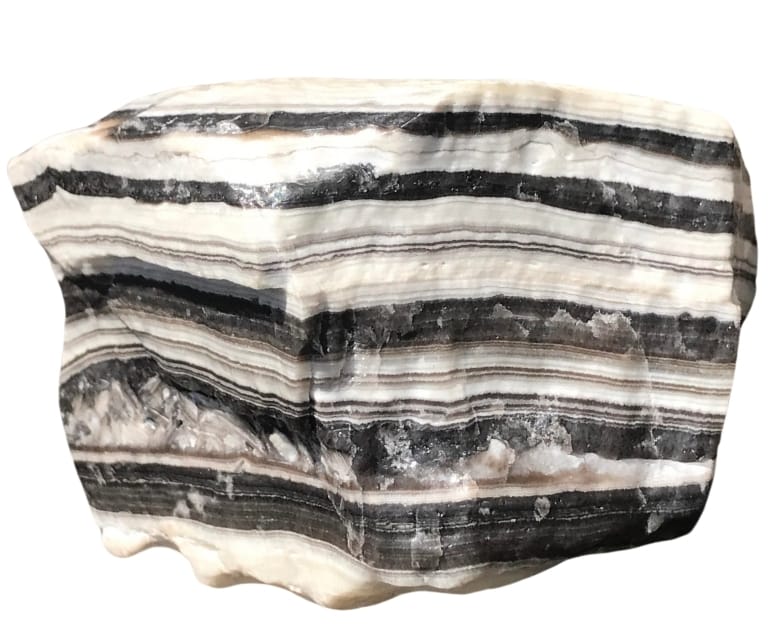
Zebra Calcite find
This is a beautiful piece of Zebra Calcite that was found by a fellow rockhound while they were on a trip near Anza-Borrego Desert State Park in Southern California. What a beauty!
Where it gets its name from is probably obvious with the striking calcium carbonate layers. Over time, different environmental conditions cause variations in the mineral composition, creating the distinctive bands.
You can sometimes find pretty big pieces in limestone caves, some that weigh several pounds. A great find!
Send me photos of your rocks and minerals!
I want to see what you’re finding and adding to your collection! Send me photos of the rocks and minerals that you’re discovering in your rockhounding journey or bought and added to your collection so I can share it with the community.
Send your best photos and descriptions to [email protected] or just reply to this email!
Geology Highlights

There are several different types of rocks and minerals that are commonly found with gold. We’ll cover which to look out for if you want to hit the mother load!

Earth Enigmas
Each week we ask a fun trivia question here. We’ll share the answers and the community responses for everyone to read next week. Show off your rockhounding chops!
Last week may have been a little too easy for you all! The question was:
“Which gemstone is created from the fossilized resin of ancient trees and often contains preserved insects or plant material? “
As you can see below, most of you nailed it by answering Amber. Great job!
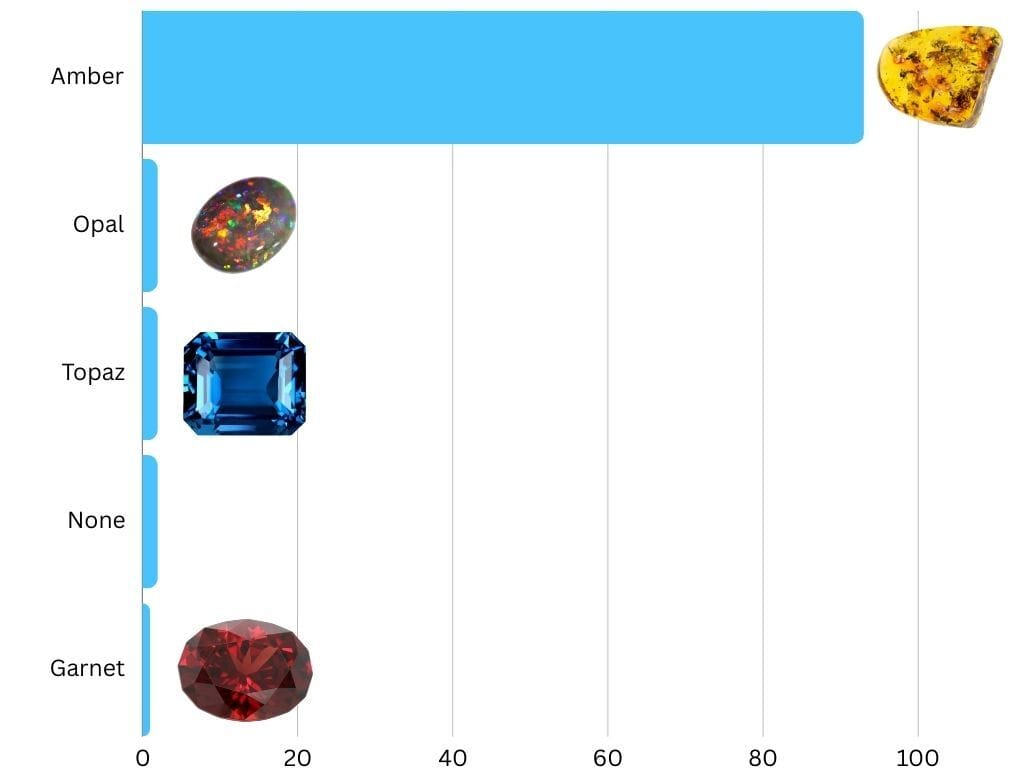
Earth Enigmas
Here is this week’s question!
You see it all over but how much do you know about it?
What is the main component of limestone? |
We’ll include the answer in next week’s email!
Community Tips

You should be scared of your own shadow
This week’s tip comes from Jasmine in Toledo, Ohio:
When rockhounding, always avoid walking with your shadow in front of you. I've learned from experience that when your shadow falls ahead, it casts a dark spot on the ground, making it difficult to see the rocks and minerals you're trying to find (especially shiny ones).
This can cause you to miss out on some great specimens. Instead, try to position yourself so the sun is at your back or to your front. This way, the natural light illuminates the ground clearly, helping you spot even the smallest and most hidden treasures.
It really helped me out!
Jasmine
Every week one of our members shares a valuable tip or a big mistake they've made in their rockhounding journey. If you have a tip or mistake you'd like to share email us at [email protected] or just reply to this email!
Geology highlights
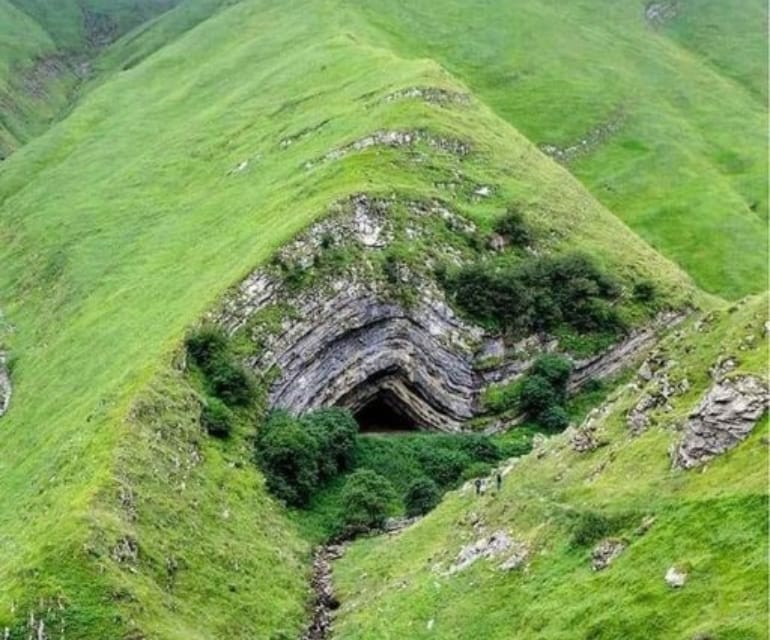
Harpea’s Cave
This is Harpea's Cave, located near the Franco-Spanish border in the Pyrénées mountains. This cave was formed through the process of erosion over thousands of years.
Rainwater, rich with carbon dioxide, seeped into the ground and slowly dissolved the limestone bedrock, creating intricate passageways and chambers. The cave is known for its stunning geological formations, including stalactites and stalagmites, which add to its mystical appearance.
What makes Harpea's Cave particularly interesting is its historical and cultural significance. It has been used by shepherds for centuries as a shelter for their flocks.
The cave's entrance is marked by a large, naturally formed arch, giving it a grand and inviting appearance. Visitors to the cave can explore its impressive interior and imagine the ancient forces of nature that sculpted this underground marvel.
Rockhounding

This is a great video following a fellow rockhound as he searches for Amber in the clay pits of New Jersey. It’s a great video to see what works and what the experience is like.
Geology Highlights

I bet you didn’t know there were this many types of amber! Given how many of you got last weeks trivia question right I thought I would share a bit about it.
Check it out and see all the incredible versions of fossilized sap!
Shower thoughts
Rockhounding might just be socially acceptable treasure hunting for grownups…

Geology highly

Wave Rock
This is Wave Rock, located in Western Australia, an incredible natural formation that looks like a huge ocean wave about to crash. It stands about 50 feet high and stretches 350 feet long.
This unique rock formed over millions of years through weathering and erosion. Rainwater, mixed with carbonic acid, gradually wore away the softer rock layers. Over time, wind and water continued to shape the rock, creating its smooth, wave-like appearance.
What makes Wave Rock special is its shape and vibrant color patterns. The rock has horizontal stripes of red, brown, yellow, and gray, created by the movement of water and minerals down its surface. These colors add to the illusion of a wave.
There are some similar formations in the Southwest here in the US that are also incredible.
Geology highlights
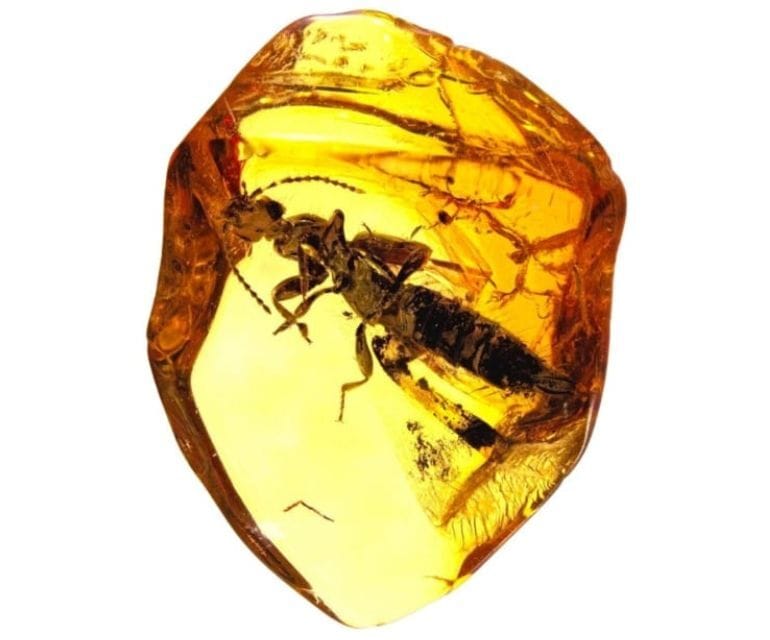
It’s very common for Copal to be sold as real Amber to those who don’t know the difference. There are a lot of similarities but you can easily tell them apart if you know a few tricks.
This is how you can do it and never be fooled!