- Rock Chasing
- Posts
- How can people actually live there?

Hello rockhound,
Another week of rockhounding has past and we’ve got some great new finds and info to share!
This week we cover
A beautiful type of geode you might not have seen
Some rocks chock full of fossils
Living in a volcano?
Where you can find Topaz
Much more!
Happy rockhounding!
Keith
A little sparkle to start

Celestite geodes like this one are really incredible with their beautiful light blue crystals inside. They form in holes found in limestone or dolostone when over many years, water that has strontium and sulfate seeps into these holes and slowly evaporates, leaving behind the crystals.
This process takes thousands to millions of years. Most geodes usually have quartz or amethyst crystals, but celestite geodes are special because of their rare blue color and larger, more delicate crystals.
They are a bit more fragile than quartz geodes but are uniquely beautiful.
A Quick Recommendation
If you spend a lot of time outside rockhounding there is a good chance you can also be looking for delicious mushrooms at the same time! Many places that have incredible rocks and minerals also happen to grow some tasty mushroom treats.
Nothing beats finding some beautiful rocks AND lunch in the same place!
Getting started can be a bit daunting though since you really need to know what mushrooms you can eat and the best spots to find them. Shroomer’s newsletter (see the button below) was a great start for me.
Check it out if you want to learn more about local mushrooms and how to prepare them.
|

Other people won’t understand….

Find of the week
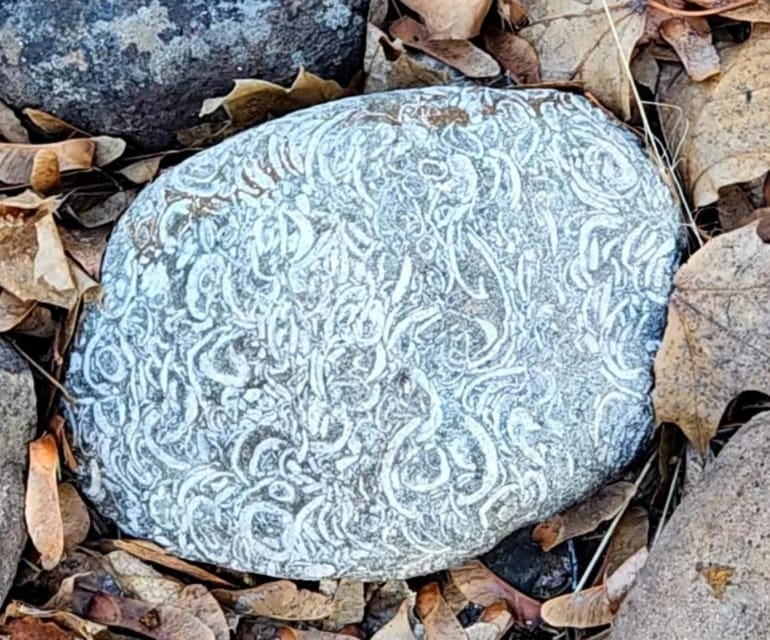
Here is an incredible fossiliferous limestone with chock full of bivalves found in Oregon by a fellow rockhound. This is a type of sedimentary rock rich in fossilized remains of ancient bivalve mollusks, such as clams and oysters.
This rock forms in marine environments where shells and skeletal fragments accumulate on the ocean floor. Over millions of years, these organic materials are compacted and cemented together with minerals like calcite, creating limestone.
Really cool find!
Send me photos of your rocks and minerals!
I want to see what you’re finding and adding to your collection! Send me photos of the rocks and minerals that you’re discovering in your rockhounding journey or bought and added to your collection so I can share it with the community.
Send your best photos and descriptions to [email protected] or just reply to this email!
Geology Highlights
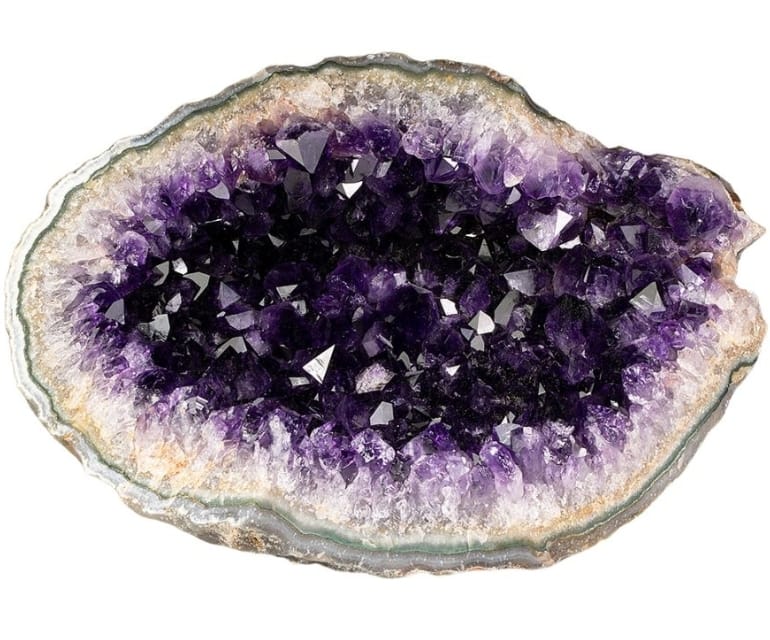
There are some really beautiful crystals that are surprisingly cheap. These are the ones that I think are the best looking for the price.

Earth Enigmas
Each week we ask a fun trivia question here. We’ll share the answers and the community responses for everyone to read next week. Show off your rockhounding chops!
Last week’s question was “What is the hardest natural substance on Earth?” and here were your responses:
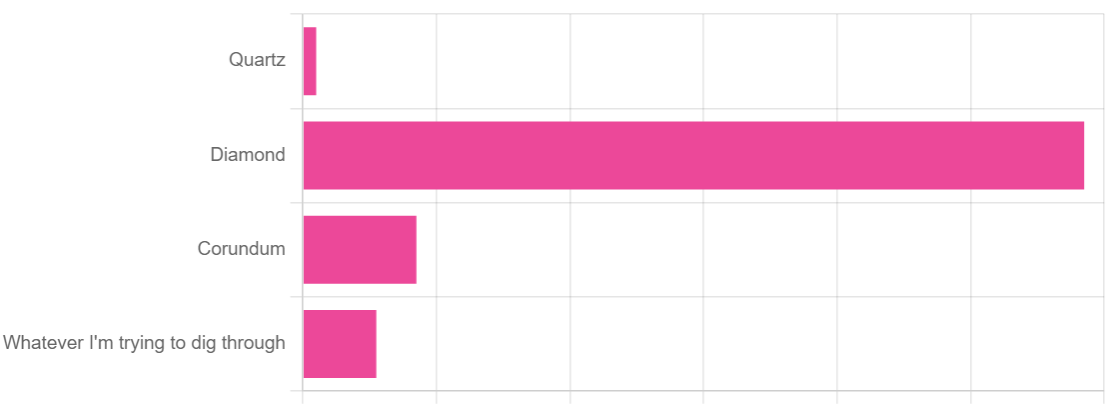
The correct answer is “whatever I’m trying to dig through” but I’d also accept Diamond if you want to be “technically correct”.
Here is this weeks question:
Agates are most commonly found in which type of rock formations? |
Geology highlights

The Marble Caves of General Carrera Lake in Patagonia are a breathtaking sight. Over 6,200 years, the lake's water has carved stunning caves, tunnels, and columns of pure marble.
Kayaking through the Marble Caves lets you get up close to the smooth arches and marble columns. The famous “Marble Cathedral” and “Marble Chapel” are among the highlights of this natural marble maze.
The lake itself is fed by glacial meltwater, giving it a bright blue tint. This vibrant water contrasts beautifully with the soft pinks, blues, and greens of the marble, creating a truly mesmerizing experience.
Rockhounding
Here is a great video from Dan Hurd looking for gold at Flat Bear Mine. What a find!
Geology Highlights
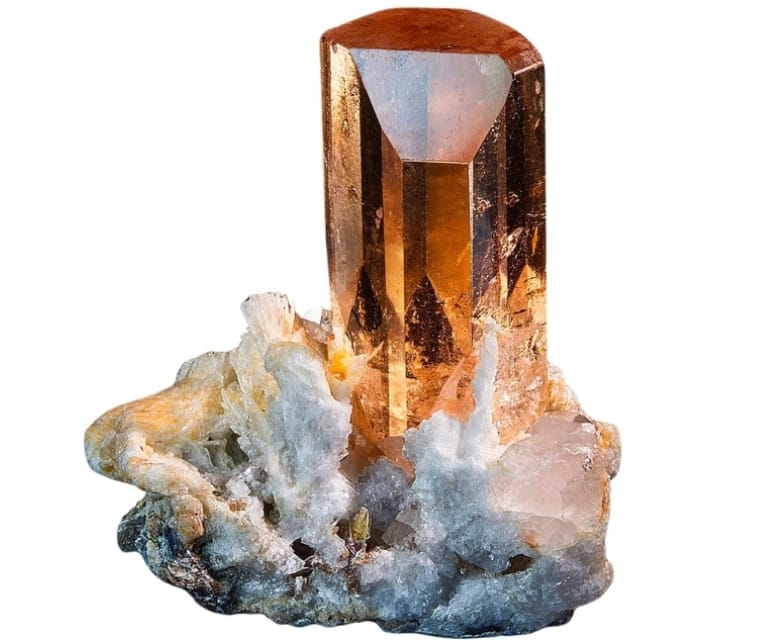
Topaz is one of the more versatile and beautiful gems out there. It can be found in quite a few places, including in the US, and there are several really interesting varieties.
Find out what they all look like and what makes each special.
Geology highlights

Here’s an awesome view of Diamond Head, the stunning volcanic tuff cone on the island of Oʻahu!
Diamond Head is part of the Honolulu Volcanic Series, which includes many of Oʻahu's notable landmarks. Eruptions from the dormant Koʻolau Volcano created these formations, adding to the island's unique landscape.

Geology highlights

There are a number of great places where you can find some beautiful Topaz specimens in the US. We’ll show you where to look and how to find them!