- Rock Chasing
- Posts
- 💎 These are nodules you'll be happy to find
💎 These are nodules you'll be happy to find
Hello rockhound,
The weather has been bad but my spirits are high. All of this rain presents some unique opportunities for those of us who are willing to brave the outdoors!
Even if you choose to stay indoors this week (I don’t blame you) there are some interesting nuggets we are going to cover.
This week we cover
Incredible fossilized shark teeth
How to make the most of this weather
Some really interesting nodules
Beautiful Hoodoos (and what those are)
Much more!
Happy rockhounding!
Keith
A little sparkle to start

Demantoid Garnet
Look at those beautiful Demantoid Garnets! These are a variety of the mineral andradite, belonging to the garnet group. They are known for their brilliant green color, often with a golden or brownish tint due to traces of chromium and iron.
They form in metamorphic rocks under high temperature and pressure conditions, typically in regions with significant geological activity. They are especially prized for their exceptional brilliance and fire, surpassing that of many other gemstones, including diamonds.
Other people won’t understand….

Find of the week

Here is an incredible smokey quartz find from Utah that was discovered by a fellow rockhound. Clusters like this are tough to find but are worth the effort!
Smokey quartz is commonly found in regions with significant geological activity, particularly in granite pegmatites and high-temperature hydrothermal veins.
It is especially common in locations like Brazil, the Swiss Alps, and the Cairngorm Mountains of Scotland. It is also found in parts of the United States, such as Colorado and New Hampshire.
These regions provide the ideal conditions for the formation of smokey quartz, resulting in crystals that are often highly valued for their clarity and deep smoky color.
Send me photos of your rocks and minerals!
I want to see what you’re finding and adding to your collection! Send me photos of the rocks and minerals that you’re discovering in your rockhounding journey or bought and added to your collection so I can share it with the community.
Send your best photos and descriptions to [email protected] or just reply to this email!
Geology Highlights

Finding a giant Megalodon tooth is the highlight of many rockhounds hunting career. They are simply incredible and surprisingly large!
We’ll show you the best places to look for them in the US and how to get the best result.

Earth Enigmas
Each week we ask a fun trivia question here. We’ll share the answers and the community responses for everyone to read next week. Show off your rockhounding chops!
Here are the results of last week’s poll:
What is the main component of limestone?

Earth Enigmas
Here is the new poll for this week:
What was the first state rock to be designated? |
Community Tips

Rain and flooding can be an opportunity
This week’s tip comes from Lisa in Irvine, TX:
I always find that searching recently flooded areas is great for rockhounding. We’ve been getting a lot of rain in Texas making this tip really relevant!
Floodwaters have a powerful way of reshaping the landscape, often exposing new layers of soil and rock that were previously hidden. When the water recedes, it leaves behind a fresh array of rocks, minerals, and sometimes even fossils that are ripe for discovery.
The movement of water can also clean and polish the rocks, making them easier to identify and more visually appealing. Just remember to be cautious and ensure the area is safe before venturing out.
Lisa
Every week one of our members shares a valuable tip or a big mistake they've made in their rockhounding journey. If you have a tip or mistake you'd like to share email us at [email protected] or just reply to this email!
Geology highlights
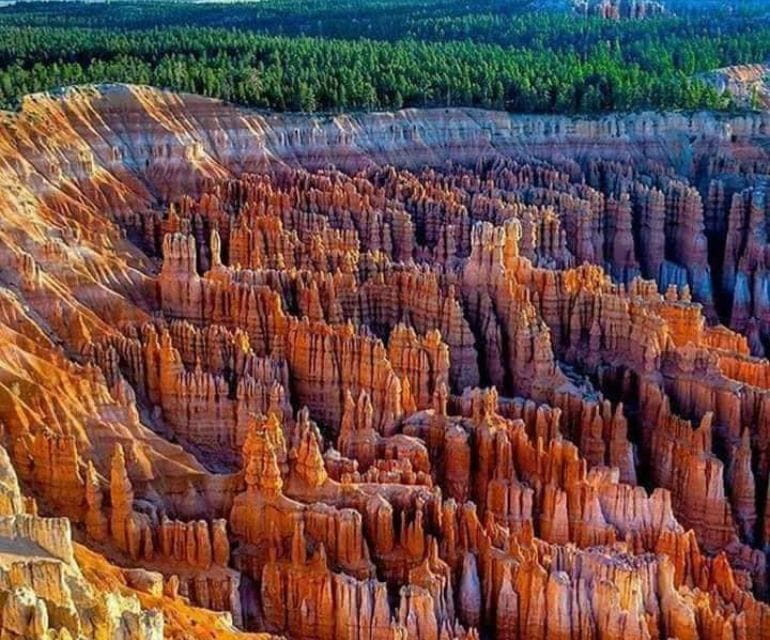
Bryce Canyon
This is a photo of Bryce Canyon National Park, located in southern Utah. It’s renowned for its unique geological formations called hoodoos. These tall, thin spires of rock are formed through the process of frost-wedging and erosion, giving the landscape a surreal and otherworldly appearance.
The park's main attraction, Bryce Amphitheater, features a vast array of these colorful hoodoos, which range from red to orange to white.
One of the most interesting aspects of Bryce Canyon is its night sky. Due to its remote location and high elevation, the park has minimal light pollution, making it one of the best places in the country for stargazing. Visitors can see thousands of stars, the Milky Way, and even distant planets with the naked eye.
Rockhounding

Here is a great video from Joe Maddox where he shares a ton of incredible opal, jasper, and agate finds around Oregon. He’s an experienced rockhound and shows some great examples of where to look.
Geology Highlights

Septarian Nodules, like in the photo above, are some of the most interesting and beautiful finds you can make. They have a really interesting history and can be found in a number of places.
In our guide, we’ll show you how to find them and what to look out for.
Geology highlights

This is Bora Bora, an island in French Polynesia, that was formed from an extinct volcano that eroded over millions of years, leaving a central lagoon surrounded by a barrier reef.
This geological process created a stunning landscape of lush peaks and turquoise waters. What makes Bora Bora particularly interesting is its vibrant marine life, clear lagoons ideal for snorkeling and diving, and luxurious overwater bungalows offering picturesque views. T
he island’s unique combination of natural beauty and opulent resorts makes it a premier destination for honeymooners and travelers seeking a tropical paradise. Its serene environment and rich Polynesian culture further enhance its appeal.

Geology highlights

Rainbow Obsidian
Most people think there is only one type of Obsidian, but they’re wrong! There are actually several distinct types (but they’re all really cool).
We’ll show you the different types and some great examples and photos.