- Rock Chasing
- Posts
- 💎 Now that's what I call a wave!
💎 Now that's what I call a wave!
Hello rockhound,
Another week has past and you all have been busy! Some of the photos you’ve been showing of your finds are incredible!
We have a lot to cover this week so let’s get into it!
This week we cover
A Perkinsville Agate you have to see
The question that stumped most of you
A wave that you don’t want to miss
The 22 types of agates and what makes them all special
Much more!
Happy rockhounding!
Keith
A little sparkle to start

Aquamarine - Photo credit: Fine Art Minerals
Large Aquamarine formations like this are simply stunning. It really hammers home why it was named for its stunning blue-green color, reminiscent of the sea.
Its name comes from the Latin words "aqua" meaning water, and "marina" meaning sea. This gem is a variety of the mineral beryl and gets its color from traces of iron.
What makes aquamarine interesting is its clarity and brightness, which can range from light blue to deep blue. Aquamarine forms in granite rocks when magma cools and crystallizes deep within the Earth, most often in countries like Brazil, Nigeria, and Madagascar.
A Quick Recommendation
Recommendation
Other people won’t understand….

I love a good road cut…..
Find of the week

This week’s find comes from Aaron who found this beauty on the shore of the East Verde River north of Payson, Arizona. He believes it might be a Perkinsville Agate, probably run downriver from the Verde Valley.
What an incredible find! Look at those inclusions!
Perkinsville agates are a type of agate found near Perkinsville, Arizona. It's known for its unique and vibrant colors, often displaying shades of red, yellow, and brown like you see in the photo above. Agates like these form in volcanic rock cavities when silica-rich water fills the spaces and hardens over time.
Send me photos of your rocks and minerals!
I want to see what you’re finding and adding to your collection! Send me photos of the rocks and minerals that you’re discovering in your rockhounding journey or bought and added to your collection so I can share it with the community.
Send your best photos and descriptions to [email protected] or just reply to this email!
Geology Highlights

After showing off Aaron’s find above, I wanted to dive deeper into agates this week. There are a couple of dozen different types and they are all really interesting in their own ways!

Earth Enigmas
Each week we ask a fun trivia question here. We’ll share the answers and the community responses for everyone to read next week. Show off your rockhounding chops!
Last week we asked “What was the first state rock” and it looks like I finally found a question that stumped most of you!
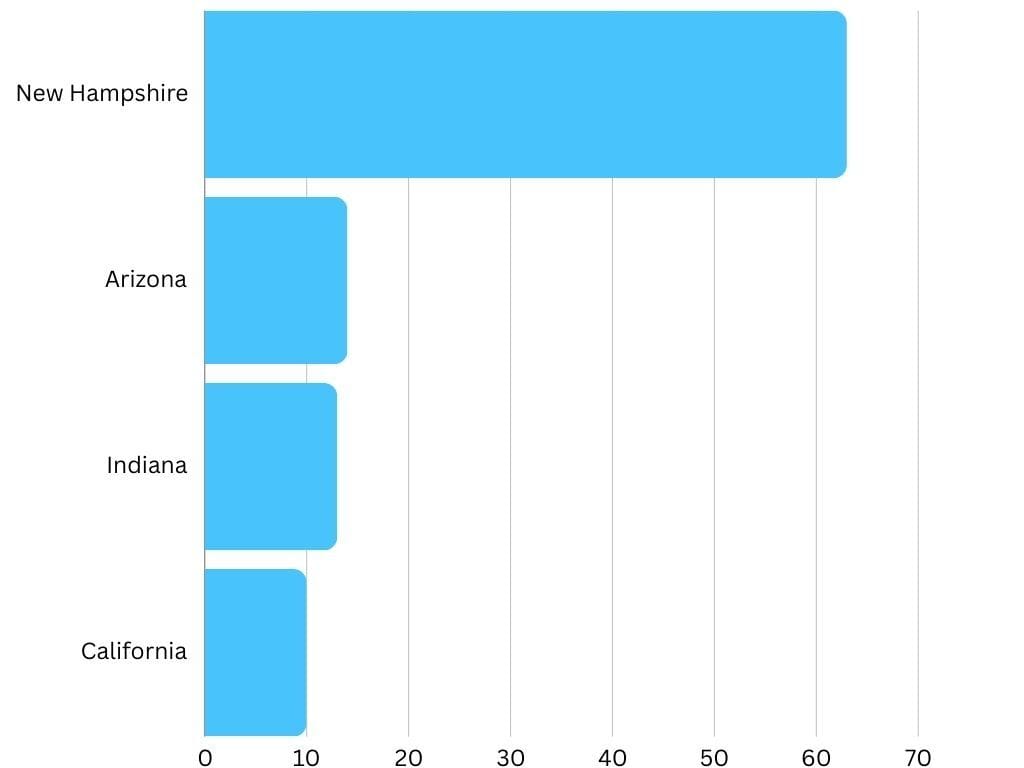
The first state rock is actually Serpentine, which was designated the official state rock of California in 1965. You can find Serpentine all over California and it has a really interesting and unique green color.
Better luck next week!
Here is this week’s poll:
What is the most abundant mineral in Earth's crust? |
Geology highlights

Any time you find a particularly beautiful agate I bet you wonder how much it is actually worth. I know I do. We dive into which agates can be worth a bit of money and which are just great looking to keep on a shelf.
Rockhounding

Lake Superior agates are some of the most beautiful and interesting around. They can also be pretty easy to find with the right help.
The Crystal Collector has a great video here showing how to find them.
Geology Highlights

Wave Rock
Wave Rock in Australia looks like a giant ocean wave frozen in stone. This impressive formation stands about 50 feet high and stretches around 360 feet long.
Geologically, Wave Rock is known as a "flared slope," which is essentially a concave bedrock surface.
The formation of Wave Rock involved chemical weathering by groundwater. Over time, erosion removed the weathered material, revealing the striking wave-like shape we see today.
Geology highlights

There is a surprising amount of fake agate out there. A lot of people confuse it with other rocks, like Jasper, or they intentionally create fakes.
Either way, you don’t want to be fooled. Here is how you can tell it apart from the fakes.

Geology highlights
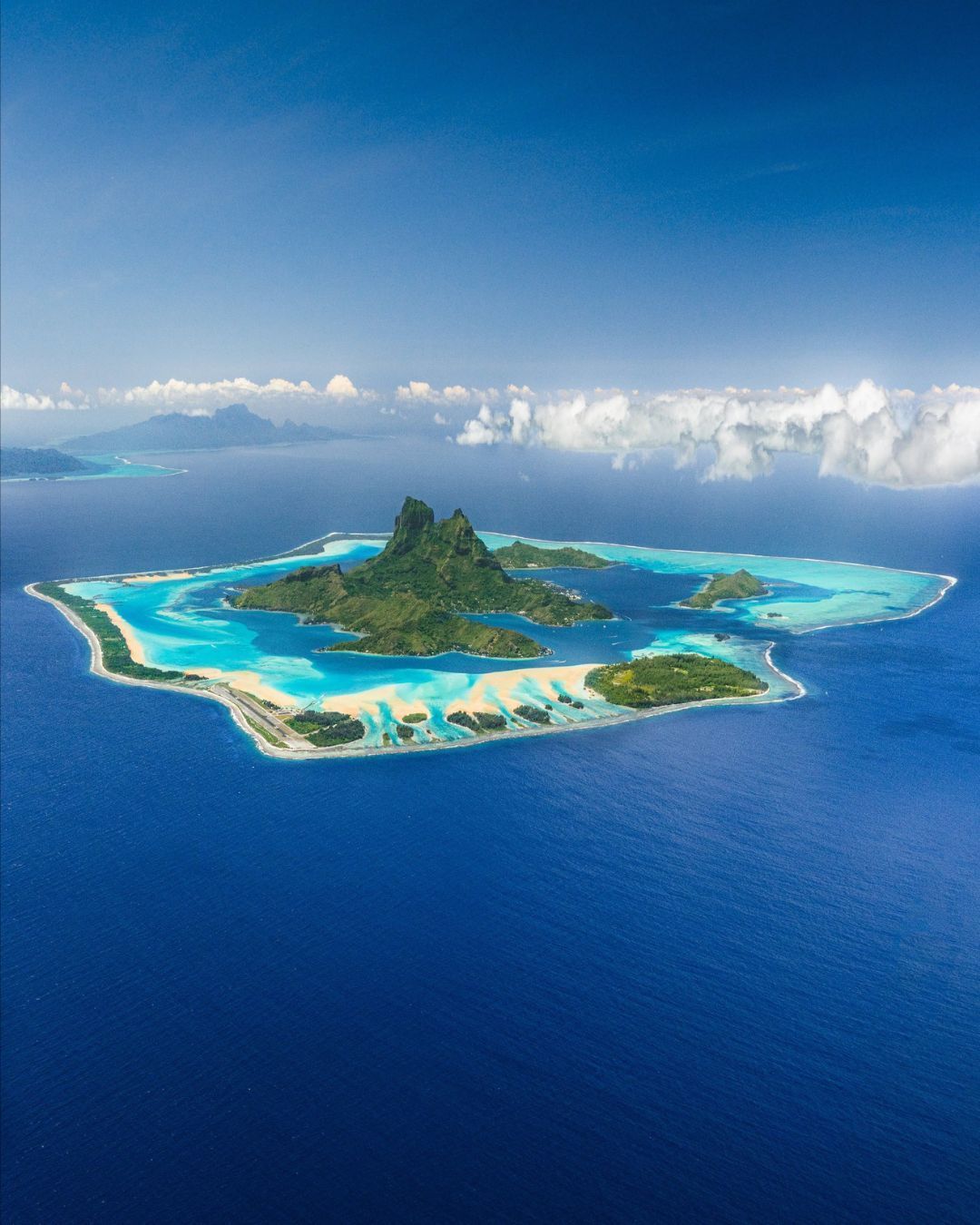
Bora Bora, a stunning island in French Polynesia, features an extinct volcano at its heart. The island's highest point, Mount Otemanu, rises majestically in the center of the atoll.
The lagoon and fringing reef surrounding Bora Bora provide breathtaking views and natural protection. The Teavanui Passage, the only opening to the ocean, allows large ships to enter the serene lagoon.
The main island boasts four bays: Faanui Bay, Tuuraapuo Bay, Povai Bay, and Hitiaa Bay. Tuuraapuo Bay separates the island from the volcanic islets Toopua and Toopua-iti.